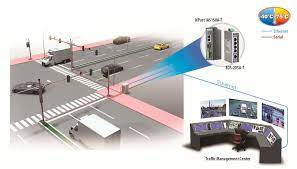
Traffic Signal Control
INTRODUCTION:
This Target Traffic Signal Control training course will provide a comprehensive understanding of the purpose, benefits, components of a traffic signal control system, in addition to practical tools and techniques utilized in data preparation and modeling processes.
There are two primary practices of signal control systems in transportation studies. First, a traffic problem is addressed for one or multiple urban arterials, where each arterial consisting of several intersections that are controlled by traffic signals. Arterials are usually designed to move large numbers of travelers with different modes, including automobile drivers, transit riders, bicyclists, and pedestrians, through the system with minimum stops and delays. Based on the performance objectives, these coordinated systems often give priority to specific travel modes (e.g., transit riders). Second, the focus of the study is on the operation of an individual signalized intersection. Accordingly, this training course is set to deliver guiding principles for both practices in traffic signal control systems based on global standards.
This Target training course will highlight:
- Purposes and Benefits of the Traffic Signal Control
- Exploring the System and Providing a Framework
- Collecting and Utilizing High-Resolution Field Data for Signalized Intersections
- Processes, Tools and Techniques for Modelling and Designing Traffic Signal Systems
- The Micro-simulation Environment of Signalized Intersections
Course objectives:
- Understand traffic signal operations including various controller types and platforms
- Perform signal timing optimization to maximize transportation system throughput
- Develop traffic microsimulation models of signalized intersections
- Understand signal timing design evaluations and assessments
- Evaluate the performance of a signal control system
WHO SHOULD ATTEND?
- Traffic & Transportation Engineers and Professionals
- Highway and Roadway Design Engineers
- Project Managers in Infrastructure Solutions Consulting
- Professionals in Urban Planning and Development
- Researchers and Consultants
- Data Analysts, Technicians in Traffic Management Centers
- Practitioners in Traffic and Transport Engineering
Course Outline:
Introduction to the Traffic Signal Control System-Modelling:
- Exploring the System and Providing a Framework
- Introduction to the Traffic Signal Timing Manual
- Queuing Systems
- Modelling Traffic Flow at Signalized Intersections
- Using High-Resolution Field Data to Visualize Traffic Flow
- From Model to the Real World: Field Observations
- Basic Operational Principles
- Phasing, Rings, and Barriers
- Traffic Controller Timing Process
- How a Traffic Phase Times and Terminates
- Exploring a Controller Emulator
- Constructing a Traffic Control Process Diagram
- Signal Timing Parameters
Whose Turn is it? (Phasing, Rings, and Barriers) and Traffic Controller Timing Processes:
- Phasing, Rings, and Barriers
- Traffic Controller Timing Process
- How a Traffic Phase Times and Terminates
- Exploring a Controller Emulator
- Constructing a Traffic Control Process Diagram
- Signal Timing Parameters
Timing Processes on One-Approach and for the Intersection:
- Considering Minimum Green Time, Passage Time, and Detection Zone Length
- Relating the Length of the Detection Zone to the Duration of the Green Indication
- Determining the Length of the Minimum Green Time
- Understanding the Variation of Vehicle Headways in a Departing Queue
- Actuated Traffic Control Processes
- Assessing the Effect of the Minor Street Vehicle Extension Time on Intersection Operations
- Determining the Effect of the Maximum Green Time on Intersection Operations
- Setting the Maximum Green Timing Parameter for All Approaches of an Intersection
- Permitted Left Turn Operations
- Comparing Permitted and Protected Left-Turn Phasing
- Comparing Protected / Permitted and Protected Left-Turn Phasing
- Analysis and Design of Left Turn Treatment
- Change and Clearance Intervals
- Determining Vehicle Change and Clearance Intervals
- Yellow and Red Clearance Intervals
- Micro-simulation Models and the Traffic Control System
- Building a Simulation Model Network
- Traffic Analysis Tools
- Integrating Information, Justifying Choices, and Communicating Results
- Assembling Information for Your Timing Plan Design
- Signal Timing Design in Practice
- Design Report
- Design Evaluations and Assessments
Left Turn Phasing and Right-of-Way Change:
- Permitted Left Turn Operations
- Comparing Permitted and Protected Left-Turn Phasing
- Comparing Protected / Permitted and Protected Left-Turn Phasing
- Analysis and Design of Left Turn Treatment
- Change and Clearance Intervals
- Determining Vehicle Change and Clearance Intervals
- Yellow and Red Clearance Intervals
The Simulation Environment and Final Design:
- Micro-simulation Models and the Traffic Control System
- Building a Simulation Model Network
- Traffic Analysis Tools
- Integrating Information, Justifying Choices, and Communicating Results
- Assembling Information for Your Timing Plan Design
- Signal Timing Design in Practice
- Design Report
- Design Evaluations and Assessments