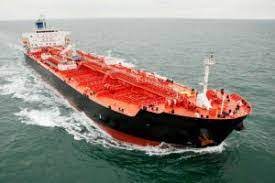
MANAGING TANKER CARGO OPERATIONS
INTRODUCTION:
This Target training course on Managing Tanker Cargo Operations is designed to provide an understanding of the types of bulk liquid vessels which are used and the reasons for the differences between them. It also looks at the cargo operations to be conducted and the critical elements of these operations. As Part of the operations the methodology of maintaining the cargo in optimum conditions are examined. Many cargoes are extremely specialized and therefore are very expensive. Loss of cargo to mismanagement is completely avoidable if it is properly managed. By understanding the type of cargo, the hazards it presents and the management processes, it is possible to minimize the risk of cargo spoiling, pollution and incorrect vessel selection thus making for a more efficient and cost effective overall operation. Major points:
- Vessel types and their construction
- Cargo care and measurement
- Ballasting operations and optimizing vessel discharge features
- Hazards associated with different cargoes and how to manage them
- Determining the most suitable vessel
- Interpreting and understanding the regulations associated with these types of operation
This Target training course will highlight:
- The differences between Oil, Chemical and Liquified Gas Tankers
- The properties of different cargoes and the associated hazards
- Health, safety and environmental controls when working on tankers
- What is involved in the safe operation and monitoring of cargo on board tankers
- How to perform and monitor safe oil tanker cargo operations in compliance with legislative requirements
Course objectives:
- The main requirements of cargo operations in compliance with legislative requirements
- To understand the principal physical and chemical properties of tanker cargoes
- Awareness of hazards relating to health and safety and prevent pollution of the environment
- Methods to apply occupational health and safety precautions
- Principles of how to respond to emergencies
WHO SHOULD ATTEND?
- Senior Management with high level responsibility for tanker operations
- Fleet Managers
- Vessel Charterers (Aids ability to select the correct vessel)
- Technical Managers (Aids understanding of maintenance issues)
- Vessel Personnel wishing to progress in their careers
- Refinery Personnel at the vessel / facility interface
Course Outline:
Regulations & Properties of the Cargoes:
- Regulations and Codes of Practice
- Defining Hydrocarbons
- Hazard Warning Symbols, MSDS and COSHH
- Characteristics of Hydrocarbons
- Electrostatic Charges
- Safety Equipment
- Worksite Control
- Effects of Pollution
- Vessel Types
- Oil Tanker Construction
- Chemical Tanker Construction
- Liquified Gas Tanker Construction
- Cargo System Components
- Loading and Discharging Cargo
- Cargo Care and Tank Cleaning
- Loading and Discharging
- Crude Oil Washing
- Purging, Gas Freeing and Inerting
- Inert Gas System
- Cargo Care and Compatibility
- Monitoring Techniques
- Tank Cleaning
- Cargo Hazards
- Loading and Discharging
- Flammability and Corrosivity
- Toxicity
- Emergency Procedures
- Defining LNG and LPG
- Properties and Hazards
- Cryogenic Safety
- Electrical Safety
- Brittle Fracture
- Loading and Discharging
- Cargo Care and Compatibility
- Managing Hazards
Vessel Construction and Pollution Prevention:
- Effects of Pollution
- Vessel Types
- Oil Tanker Construction
- Chemical Tanker Construction
- Liquified Gas Tanker Construction
Oil Tanker Cargo Operations:
- Cargo System Components
- Loading and Discharging Cargo
- Cargo Care and Tank Cleaning
- Loading and Discharging
- Crude Oil Washing
- Purging, Gas Freeing and Inerting
- Inert Gas System
Chemical Tanker Operations:
- Cargo Care and Compatibility
- Monitoring Techniques
- Tank Cleaning
- Cargo Hazards
- Loading and Discharging
- Flammability and Corrosivity
- Toxicity
- Emergency Procedures
Liquefied Gas Carrier Operations:
- Defining LNG and LPG
- Properties and Hazards
- Cryogenic Safety
- Electrical Safety
- Brittle Fracture
- Loading and Discharging
- Cargo Care and Compatibility
- Managing Hazards