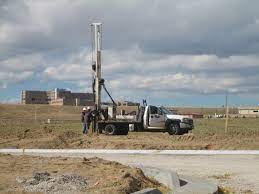
SOIL INVESTIGATION
Course objectives:
- Overview of the properties of the soil and types and classifications
- Knowledge of calculating the failure criteria of the soil and shear strength parameters
- Illustration of calculating the bearing capacity and design the isolated foundation
- Developing the inspection skills to investigate the soil and distinguish between different types of the soil
- Understanding the serious importance of the long-time settlement due to consolidation process and liquefaction as well
Course Outline:
Understanding the Main Properties of the Soil and needed Tests and the Classification:
- Practical Importance of Index Properties
- Size and Shape of Soil Particles
- Properties of very Fine Soil Fractions
- Mechanical Analysis of Soils
- Soil Aggregate
- Consistency of Fine-Grained Soils
- Soil Classification
- Minimum Requirements for Adequate Soil Description
Understanding the Shear Strength Parameters and the Consolidation:
- Shear Strength Parameters
- Shear Box Test
- Triaxial Compression Test
- Van Shear Test
- SPT – Standard Penetration Test
- CPT – Cone Penetration Test
- Parameters of the Consolidation
- Workshop on Shear Strength and Consolidation
How to Validate the Compaction and Introduction to Problematic Soil:
- Introduction to the Compaction
- Machines which are used in Compaction
- Proctor Test
- Sand Cone Test
- Plate Loading Test
- Types of Problematic Soil
- Effect of Expansive Soils and Solutions
- Collapsible Soil and Solutions
How to Investigate the Soil and Prepare a Report:
- Methods of Soil Exploration
- Disturbed Samples
- Undisturbed Samples
- Skills of Visual Inspection
- Challenge of Soil Investigation in the Practice
- Workshop to prepare Soil Investigation Report
Calculating the Bearing Capacity and Design Isolated Footing:
- Bearing capacity general form based on shear strength
- The effect of settlement of bearing capacity
- The effect of water table on bearing capacity
- Bearing capacity based on SPT
- Eccentric foundations due to permanent loads
- Eccentric foundations due to temporary loads