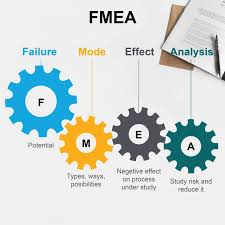
FMEA – Failure Mode and Effects Analysis
Course Description:
FEMA is a discipline technique to early identify and help minimize potential concerns/ failures about quality, safety and functionality of products.
Audience profile:
Design engineers, process engineers/ supervisors and process owners who are involved in the development, implementation and follow up of FMEA as an improvement tool in the quality management system such as ISO/TS 16949 or individuals who have a role as internal auditors for ISO/ TS 16949.
Learning outcomes:
- Identification of FMEA basic concepts and knowledge
- Ability to develop, implement and follow- up on FMEA in the design and manufacturing processes
- Being able to link FMEA into the overall design and manufacturing processes
- Communicate why FMEA should be regularly updates and linked effectively to a control plan for the manufacturing process.
Course Outline:
- FMEA Process Overview
- What is risk, failure, failure mode and failure effect?
- Purpose, use and types of FMEA
- Standards and guideline tied to FMEA (i.e. ISO 9000, ISO/TS 16949)
- Systems/ subsystems/ components design FMEA
- FMEA Development Methodology
- Cross functional team structure and rules for efficiency
- Steps of FMEA
- Review of Reporting requirements & Forms
- Development of Recommended Actions & Follow – up
- Review of Action Results
- Examples of process and design FMEA
- Practical application of the process FMEA Technique
WORKSHOP STYLE:
This will be a participative workshop with a mix of interactive learning sessions, exercises and discussions aimed to provide maximum impact and learning retention for all delegates.